How much do I need to retire?
First National Wealth ManagementJuly 24, 2026
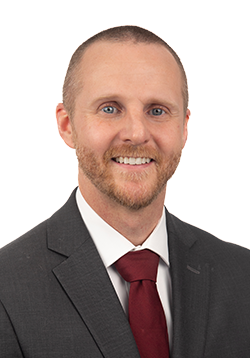
Bryant Henderson
Wealth Advisory Manager
When I initially meet with clients about retirement planning, the conversation often starts with one question: How much do I need to retire?

A quick internet search might return advice like “You need $1 million to retire,” “$2 million is safer,” or “aim to save 10 times your income.”
While these benchmarks are well-intentioned, they can create unnecessary anxiety and, more importantly, distract you from what matters.
The true goal of saving for retirement is not to replace your income; it is to replace your spending.
Rethinking your retirement targets
During your working years, your income serves many purposes beyond funding your lifestyle.
A portion of every paycheck goes toward retirement savings, payroll taxes, commuting costs, work-related expenses, and sometimes even supporting children or paying off debt.
These expenses are tied to employment, not to the lifestyle you intend to maintain forever. When you retire, many of them either decline significantly or disappear altogether.
Why income-based retirement rules can be misleading
Retirement does not mean your spending becomes zero or even minimal. Instead, it shifts.
Travel, hobbies, dining out, charitable giving, and healthcare may take up a larger share of your budget, but those expenses do not automatically equal what you earned during your highest-income years.
In fact, for many retirees, retirement expenses are often lower than expected, especially after the early, more active years of retirement.
This is why income-based rules of thumb can be misleading.
Two people earning the same salary can have vastly different retirement needs. One may live modestly, carry little debt, and value simplicity.
Another may enjoy frequent travel, multiple residences, or supporting family members.
Using a blanket target like “10 times your income” ignores the reality that your retirement lifestyle — not your salary — drives success in retirement.
Understanding your retirement expenses
A focus on spending forces a more realistic and personalized conversation where you can ask yourself:
- How much do I spend today?
- Which expenses will continue in retirement?
- Which ones will decline or disappear?
- Which new expenses might show up?
When you understand the answers to those questions, retirement budget planning becomes far less abstract and far more actionable.
Building a sustainable retirement income strategy
A focus on spending rather than income also shifts the narrative from fear to control.
Instead of chasing an intimidating number that may or may not apply to you, you can work toward a clear objective: generating enough reliable income from savings, Social Security, pensions, and other sources to support your lifestyle.
That is a much more tangible goal, and one that can be adjusted over time as circumstances change.
This is the foundation of a sound retirement income strategy and effective retirement cash flow planning.
Retirement planning starts with your lifestyle
Retirement is not about winning a numbers game or hitting a universal milestone. It is about creating sustainable cash flow that supports the life you want to live on your terms.
The most effective retirement plans start with understanding what matters most to you and building a strategy around the lifestyle you want to live.
When you plan around spending instead of income, your retirement strategy becomes more accurate, more flexible, and ultimately far more meaningful.
How much do I need to retire?
The answer to our question starts with understanding your spending, not chasing a universal savings target.
Whether you are approaching retirement or already retired, our Wealth Advisory team can help you evaluate your retirement expenses, identify potential income sources, and create a personalized strategy tailored to your goals.
As an additional resource, you may use our retirement income calculator to explore projections based on your current 401(k) plan.
Let’s build a plan that supports the life you want to live — today and throughout retirement. Reach out to me, and let’s start a conversation.